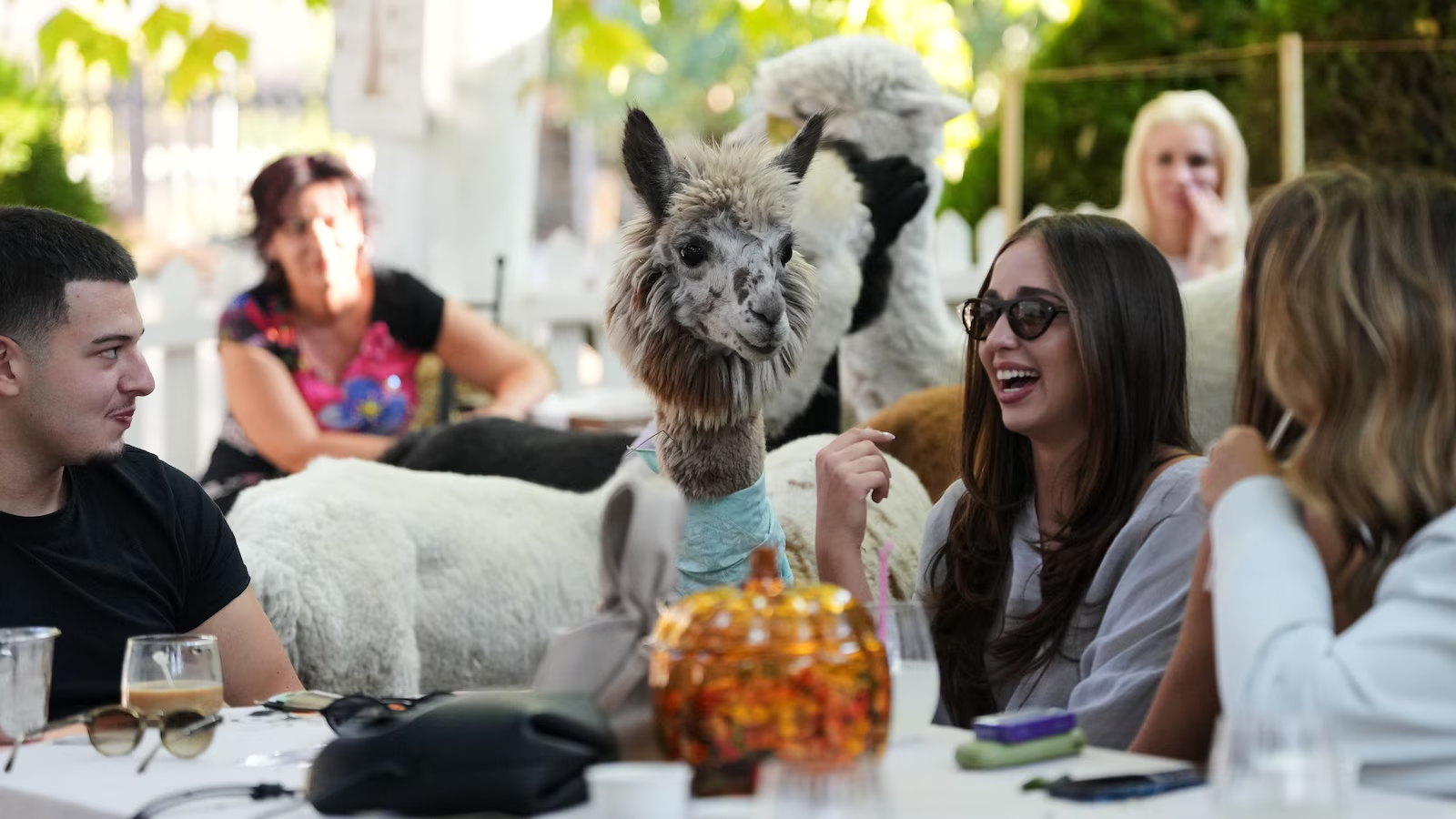
STAJICEVO, Serbia — A cafe in northern Serbia has unusual hosts: six alpacas.
South American animals of various sizes and colors wander around the tables at the Tiganjica Ethno-Village resort near Stajicevo, north of Belgrade, happy to interact with guests.
The Alpaca Cafe here opened just a week ago and is a rare sight in Europe. Zoran Ostojin, owner of the Tiganjica resort, said that this idea emerged in Slovakia.
“My wife and I were in an Alpaca cage in Slovakia and we were fascinated,” Ostojin told the Associated Press. “We wanted people in our country to get to know alpacas and feel this animal and its energy.”
Calm and friendly alpacas are known for their gentle character and easy-going nature. Although they are related to llamas and camels, alpacas are smaller and loved for their soft coats and the gentle humming sounds they make to communicate.
The alpacas in Tiganjica mix with visitors who come on frequent tours to see and spend time with the animals.
These are the house rules written on a blackboard. Visitors are asked not to approach the alpacas from behind and not to feed them with the food they bring with them. Instead, guests are given small buckets containing carrots, lettuce and apples.
Visits need to be arranged in advance and cost around 10 euros ($11.35), which includes a drink and a bucket of alpaca food.
According to the alpaca’s keeper, Simona Frangi, who says that the black alpaca named Ljubica is grumpy, the characters of all six animals are different. Snezana is the leader of the herd, even though she is the smallest.
“They are very sensitive to people’s intentions,” Frangi explained. “They feel like if someone wants to hurt them, they’ll move away. But if someone wants to offer something, they feel like they’ll get closer.”
Ostojin runs a small zoo at the resort; this zoo also includes a restaurant and garden on family land. Ostojin said it all started because he and his brother had been bringing injured animals for care since he was a child.
The first alpaca came as a gift from Belgrade Zoo eight years ago. Ostojin said he “very much liked the energy and emotion this animal gave off.”
“It’s almost like a healing ability,” he said.