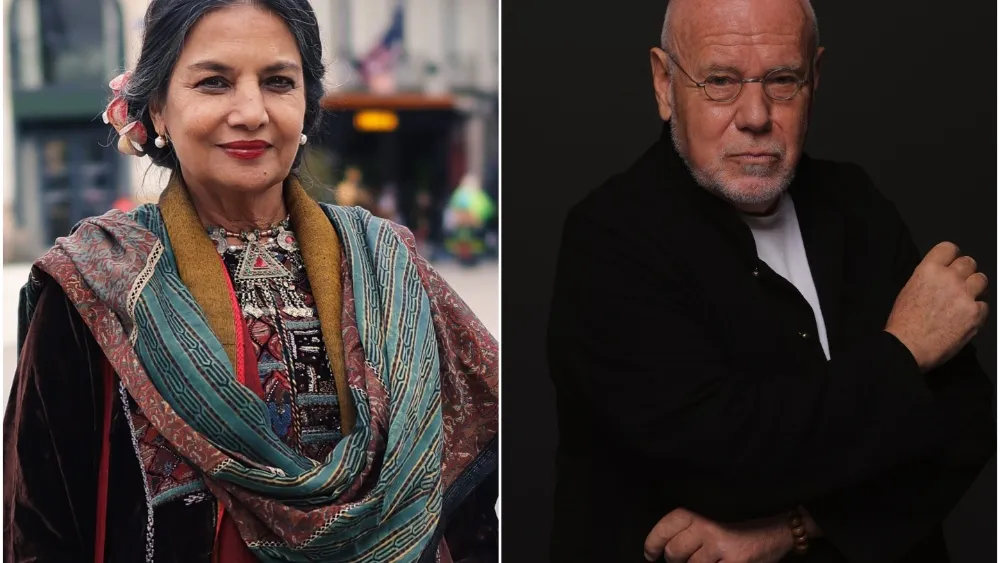
Veteran Indian actor Shabana Azmi and film critic and historian Marco Müller are among the guests of the first Kathmandu Film Festival (KFF), which will be held between October 30 and November 1. 1st in Nepal
Initiated by Kathmandu Metropolitan City, the three-day event will screen 40 films from 14 countries in different streams: International Panorama, Nepal Panorama Short Films, a program of restored Nepali films and open-air screenings. Filmmakers and artists from across Asia will also attend. The city, a UNESCO Creative Film City, established the festival to showcase Nepali and international independent cinema and build cultural ties.
Marine Atlan’s Cannes premiere “La Gradiva” and Shahrbanoo Sedat’s “No Good Men”, which premiered in Berlin this year, are among the international selections.
“The international panorama is a curated showcase of global, contemporary and independent cinema, representing powerful stories, unique voices and diverse cultural perspectives,” said KFF artistic director Ramyata Limbu. “Nepal panorama short films feature diverse and engaging stories about Nepal from emerging local talents.”
Nepal has its own chapter in cinema history. The retrospective of restored works from the 1970s and 1980s includes “Kumari,” considered the country’s first color film.
Yamagata, Japan, which has the same UNESCO film designation as Kathmandu, is the focus of a separate short programme. Organizers linked the exhibition to the 70th anniversary of diplomatic relations between Nepal and Japan and said it was aimed at deepening ties between the two cities.
The events are spread across venues like Basantapur, Town Hall, Nepal Tourism Board, Jai Nepal Cinema and Taragaon. Alongside the films, the series includes a heritage walk, master classes and conversations with filmmakers; Prizes will be distributed in the youth video competition and Nepal panorama sections. Screenings are free, but some events require advance reservations.
“Kathmandu is not only a city of indigenous communities whose culture and heritage are at its heart, but also a city shaped by people from all corners of Nepal,” said Sunita Dangol, deputy mayor of Kathmandu. “For generations, communities from across the country have brought their traditions, languages, art, music and stories to Kathmandu. This coming together is what makes this city so vibrant and unique.”
Organizers promote KFF as a festival for the public, connecting the city’s heritage with today’s cinema and the global film community.
“Nepal has experienced a profound tragedy due to floods, and in moments like these, stories become even more important,” Dangol said. “They help us make sense of what we are going through, connect with each other, heal, and find the courage to move forward.”